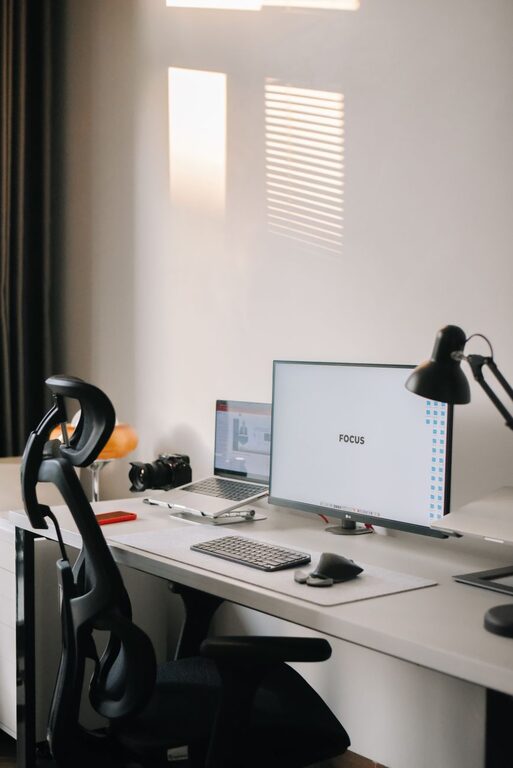

Creating a relaxing home workspace is essential for anyone who works or studies from home. A comfortable, well-designed area not only helps you stay productive but also reduces stress and promotes overall well-being. Whether you have a dedicated room or just a small corner to call your workspace, the right environment can make a big difference. Here are some helpful tips to transform your home workspace into a calm and inviting place.
1. Choose the Right Location
Selecting the best spot for your workspace is the first step.
– Natural Light: Try to set up near a window to get plenty of natural light. Exposure to daylight can improve mood and energy levels.
– Quiet Area: Pick a less busy area of your home to minimize distractions.
– Comfortable Space: Ensure there is enough room for your desk, chair, and any necessary equipment.
2. Invest in Comfortable Furniture
Comfort is key to maintaining focus and avoiding physical discomfort.
– Ergonomic Chair: Choose a chair that supports your back and encourages good posture.
– Proper Desk Height: Your desk should allow your forearms to rest parallel to the ground when typing.
– Foot Support: Use a footrest if your feet don’t reach the floor comfortably.
3. Keep Your Workspace Organized
A tidy area reduces distractions and helps you think more clearly.
– Declutter Regularly: Remove items that aren’t necessary for your work.
– Use Storage Solutions: Bins, shelves, or drawer organizers keep supplies neat.
– Limit Decorations: Personal touches are good, but too many can cause visual clutter.
4. Add Calming Colors and Decor
Colors and decor can influence your mood and productivity.
– Choose Soft Colors: Shades like light blue, green, or beige promote calmness.
– Incorporate Plants: Adding greenery improves air quality and reduces stress.
– Minimalist Approach: Keep decor simple and intentional.
5. Control Lighting and Temperature
Creating a comfortable sensory environment is vital.
– Adjustable Lighting: Use desk lamps or LED lights that can be dimmed to suit your tasks.
– Manage Glare: Position screens to avoid reflections from windows or lights.
– Maintain Comfortable Temperature: Ensure the room isn’t too hot or cold for focus.
6. Incorporate Soothing Sounds
Sound can either help you concentrate or cause distractions.
– Use White Noise: Fans or white noise machines can mask disruptive sounds.
– Play Soft Music: Instrumental or nature sounds can enhance relaxation.
– Noise-Canceling Headphones: These can be helpful if you’re in a noisy environment.
7. Create a Work Routine
A consistent routine helps transition your mind into work mode.
– Set Work Hours: Establish specific start and end times.
– Take Breaks: Short breaks every hour support mental clarity.
– Arrange Work Tasks: Prioritize daily goals to maintain focus.
8. Personalize Your Space Mindfully
Your workspace should feel inviting, but not distracting.
– Add Inspiring Items: Photos, quotes, or objects that motivate you.
– Avoid Overcrowding: Keep your desk surface mostly clear.
– Use a Vision Board: A small board with goals can help keep you motivated.
9. Limit Digital Clutter
Managing screens and devices encourages productivity.
– Organize Desktop Icons: Keep only essential apps easily accessible.
– Manage Notifications: Turn off non-urgent alerts during focused work.
– Use a Separate Work Phone: If possible, avoid mixing personal and work calls.
10. Maintain Cleanliness
Regular cleaning maintains a fresh environment benefiting mental clarity.
– Wipe Surfaces: Clean your desk and equipment regularly.
– Air Out the Room: Open windows or use air purifiers to keep the air fresh.
– Avoid Eating at Your Desk: This helps prevent messes and keeps your workspace dedicated to work.
—
By thoughtfully designing your home workspace with these tips, you can create a relaxing and productive environment that supports your work and well-being. A little effort can transform any space into a retreat that inspires creativity and focus. Take your time in setting up, and remember that your comfort and peace of mind are just as important as your productivity.