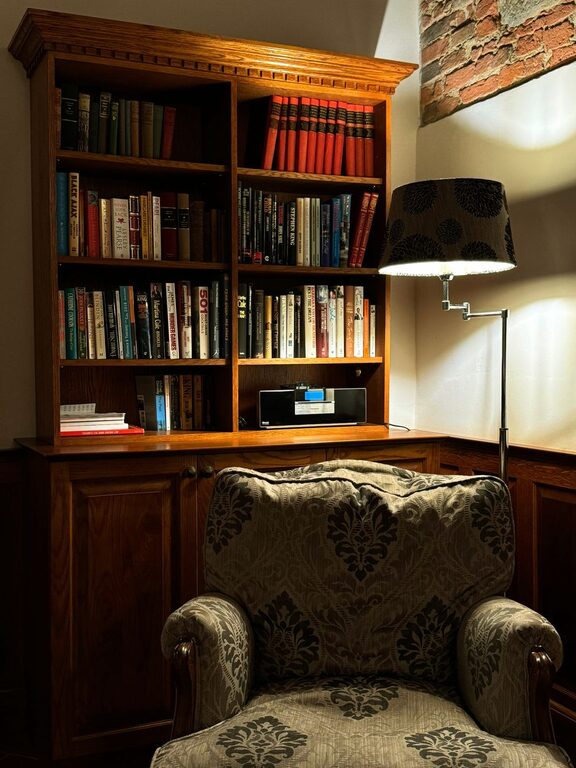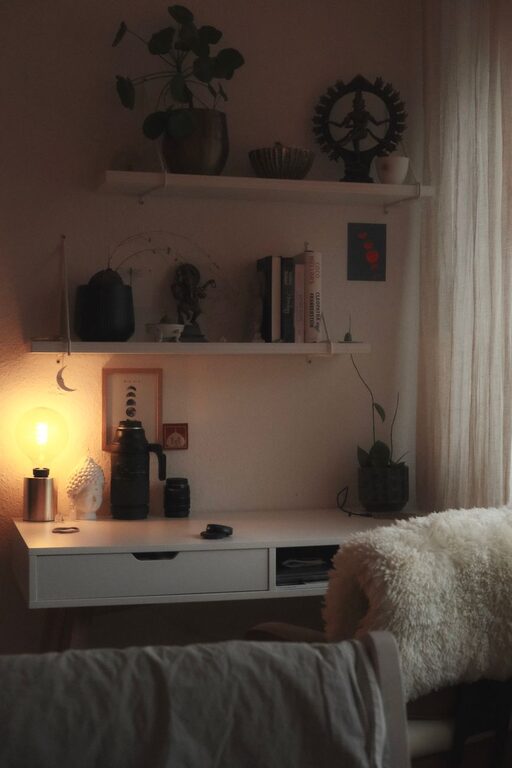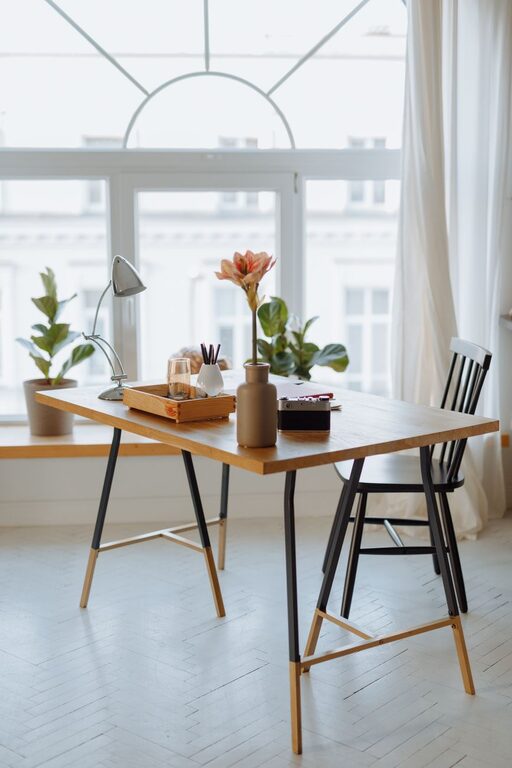
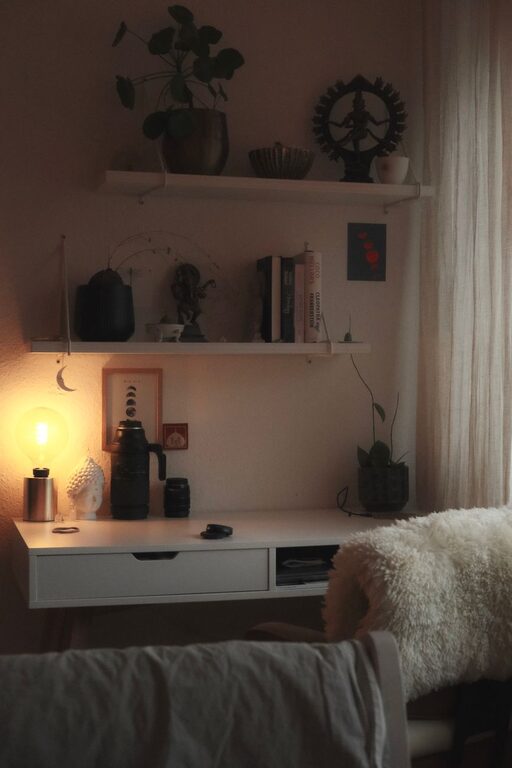
Creating a relaxing home office environment can make a significant difference in your productivity, mood, and overall work experience. Whether you work remotely full-time or occasionally need a quiet spot for tasks, designing a space that feels calm and inviting can help you stay focused while reducing stress.
In this post, we’ll explore practical tips for setting up a home office that promotes relaxation and efficiency.
Choose a Comfortable, Supportive Chair
A good chair is essential for comfort and long-term health. Since you’ll spend many hours sitting, look for a chair that offers:
– Adjustable height to keep your feet flat on the floor
– Lumbar support to maintain natural spine alignment
– Breathable fabric to prevent overheating
– Swivel and mobility options for ease of movement
Investing in a quality ergonomic chair will help prevent back and neck pain while improving your focus.
Optimize Natural Lighting
Natural light positively impacts mood and energy levels. Position your desk near a window to take advantage of daylight. Here are some quick tips:
– Use sheer curtains or blinds to reduce glare without blocking light
– Arrange your monitor perpendicular to windows to avoid screen reflections
– During darker months, supplement with soft, warm artificial lighting
Having an office filled with natural light can make the room feel more open and refreshing.
Keep Your Desk Organized
A cluttered workspace can increase stress and decrease productivity. Keeping your desk neat creates a sense of calm and allows you to focus on your tasks. Try these organization strategies:
– Use desk organizers and trays for office supplies
– Regularly clear unnecessary papers and items
– Designate specific spots for everyday essentials
– Employ cable management solutions to reduce wire tangles
A tidy desk invites a more relaxed and efficient work experience.
Incorporate Calming Colors
Colors influence our mood in subtle ways. For a relaxing home office, consider paint and décor in soothing tones such as:
– Soft blues and greens, which promote calmness
– Neutral shades like beige, gray, or off-white to reduce distractions
– Accents in pastel or earth tones to add warmth without overstimulation
Avoid overly bright or harsh colors that may feel overwhelming during work hours.
Add Personal, Inspiring Touches
Personalizing your workspace can make it more enjoyable and inviting. Some ideas include:
– Framed photos or artwork that inspire you
– A small plant or two to bring in natural beauty and improve air quality
– Motivational quotes displayed subtly on your walls or desk
– Comfortable cushions or a cozy throw to soften the space
These personal touches create a welcoming atmosphere that helps reduce stress.
Use Sound and Scents to Your Advantage
Environmental sounds and fragrances can have a calming effect. Consider:
– Playing soft background music, white noise, or nature sounds to boost concentration
– Using a diffuser with essential oils like lavender or eucalyptus to improve mood and focus
– Keeping noise-canceling headphones handy if you live in a noisy environment
Experiment with different sound and scent combinations to find what helps you relax and concentrate.
Incorporate Functional Storage Solutions
Storage is key for maintaining an orderly workspace. Without enough storage, clutter can quickly build up. Explore options such as:
– Shelves or bookcases to store documents and books
– Drawers or filing cabinets for papers and supplies
– Decorative baskets or boxes for miscellaneous items
Organized storage keeps everything within reach without overwhelming your desk space.
Maintain Good Air Quality
Fresh air helps keep your mind sharp and reduces feelings of fatigue. Here’s how to improve airflow in your home office:
– Open windows regularly to let in fresh air
– Use an air purifier if your room lacks ventilation
– Keep plants that naturally cleanse the air, like spider plants or peace lilies
A well-ventilated workspace feels more refreshing and contributes to your wellbeing.
Set Boundaries to Minimize Distractions
A relaxing office is not only about the physical space but also the environment you create. Setting boundaries can help:
– Establish set work hours to separate work and personal time
– Inform family or roommates of your schedule to minimize interruptions
– Use “Do Not Disturb” signs or signals when you need focus time
– Limit phone notifications or social media during work periods
Creating a distraction-free zone promotes deeper concentration and reduces stress.
Take Breaks and Move Around
Even the most relaxing office won’t work magic if you stay seated for hours. Remember to:
– Take regular breaks to stretch or walk around
– Use a standing desk or alternate between sitting and standing
– Practice quick breathing exercises or mindfulness at intervals
Movement helps refresh your body and mind, making your work session more effective.
—
By combining these tips, you can craft a home office environment that feels peaceful, organized, and tailored to your needs. A well-designed and relaxing workspace supports your focus and creativity, helping you make the most of working from home.